 Share on bsky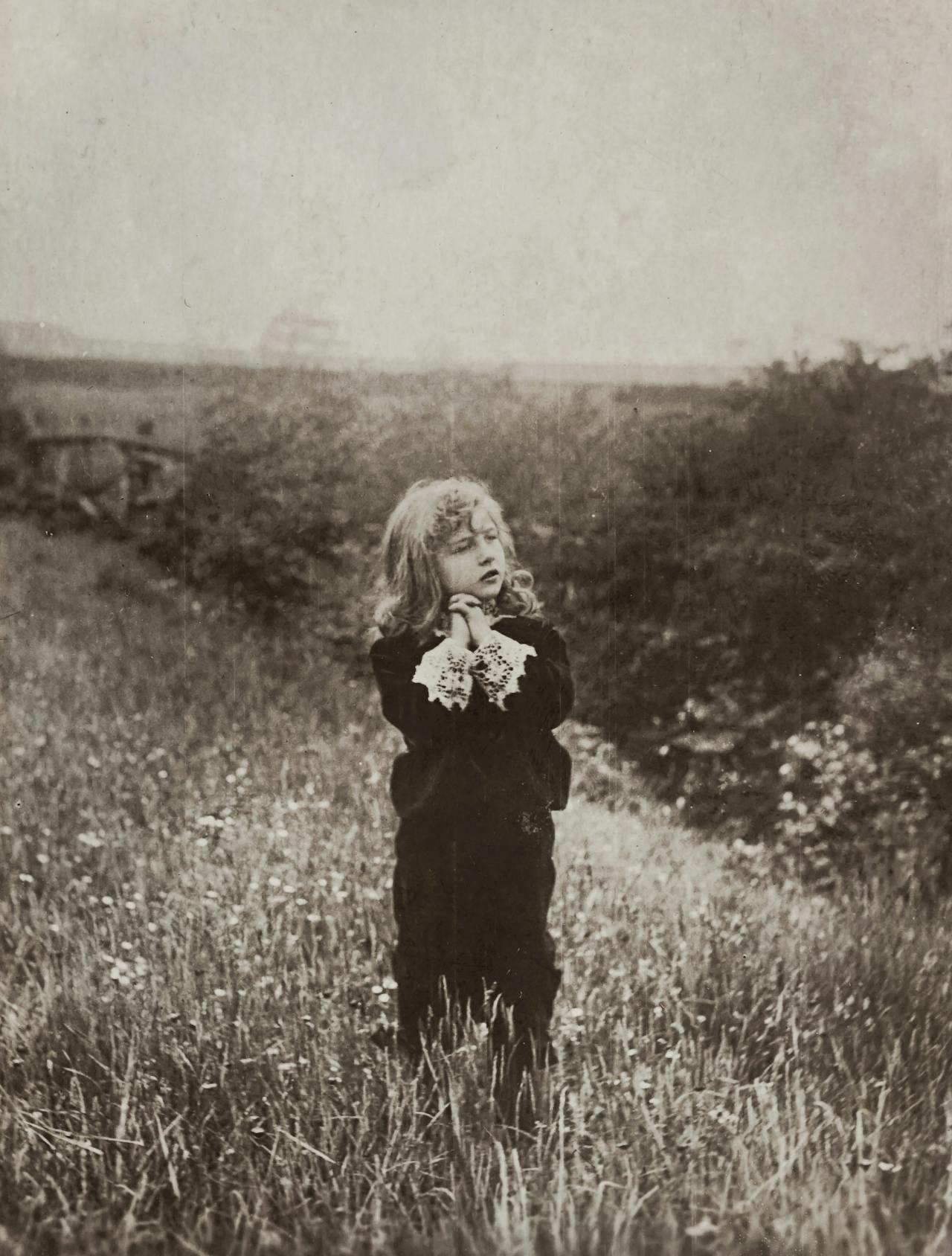
“Trauma is not what happens to you. Trauma is what happens inside you as a result of what happens to you.” ~ Gabor Maté
~
We were all born as kids, weren’t we?
We came into the world wailing, crying, confused yet curious. We looked around at everyone and everything wide-eyed, wondering where and to whom do we belong.
Slowly, we learnt to crawl, stand, walk, and fall.
Maybe you played with sand or perhaps ate it too. Maybe you chased butterflies and birds. Maybe you loved playing in the garden or being in water. Maybe you were cute, sweet, obedient, or maybe naughty as hell.
But most importantly, you were free.
Free to explore, learn, stumble, get up, enjoy, laugh, and simply be without a care in the world.
For some, this phase lasted long.
And for some, it was like a short dream because maybe you had to grow up too fast, too soon.
You had to become responsible before you were emotionally ready. You had to understand things no child should ever have to understand. You had to become emotionally older than your age because life around you demanded it.
It usually happens in chaotic homes, dysfunctional families, spaces where there is emotional neglect, conflict, unpredictability, emotional immaturity, addiction, absence, pressure, or simply too much emotional burden for a child to carry.
Nobody directly tells you to grow up except that life does.
You watch carefully and conclude:
“Someone has to keep things together.”
And that someone has to be you because the people who were supposed to take care of you…can’t or won’t.
So you become mature, understanding, responsible for your age, “the strong one,” “the easy child.”
Slowly, you learn that this is what calms the chaos even if it crushes your own needs and desires. And when the world praises you for it, you begin to believe that this is the only way to feel seen, loved, and valued.
So you hold on even tighter to your roles and responsibilities.
You become the person everyone can rely on, turn to, lean on. The one who understands everything, has all the answers, and always steps up even if it hurts like hell.
And in the process, no one really stops to ask what you had to lose in order to become that person because when you grow up too fast, you don’t just become responsible.
You become hyper-aware, hyper-vigilant, over-functioning, emotionally self-reliant far beyond what you were ever supposed to be, far beyond what you could even handle.
Maybe you became really good with roles, responsibilities, and duties.
You are always there, always available, always planning the next step, the dependable one, everybody’s go-to person, not because you are good at it, but because you are deeply afraid that if you don’t then everything will fall apart.
You carry this enormous strength within you, this ability to somehow deal with whatever comes your way. Crisis? You’ll handle it. Emotional meltdown? You’ll manage it. Something falling apart? You’ll figure it out, and because you do it so well, people around you start believing that maybe you don’t really need much help. They see you’ve got it together, but little do they know the roller coaster of anxiety and fear you’re constantly on.
And even if you do need help, people often don’t know how to help you because you yourself don’t really know how to ask for help or even what you truly need, because you were so busy firefighting all your life, you never realised you caught burns too.
And that’s the paradox.
The person who is strongest for everyone else is often the one who quietly doesn’t know how to be held themselves.
You know how to carry, but not how to receive. You have answers, reasons, logic, and solutions for everything except for how you feel. In fact, sitting with your own feelings feels deeply uncomfortable and perhaps somewhat alien.
But you can be more than present for someone else’s distress. You can ask others what they need. But when someone asks what you need…you go blank.
You become deeply in touch with what other people want, what other people need, what other people are capable of becoming.
You can see potential in everyone and will go to any lengths to help your loved ones meet that potential. Sometimes almost like you have to save everyone because somewhere deep down, your nervous system learnt that love is tied to responsibility, usefulness, and being needed.
And perhaps that is why you struggle so much with simply being.
11 Signs you might have had to grow up too fast:
1. You struggle to relax even when there is no crisis because your body is always prepared for something to go wrong.
2. You feel responsible for everyone and everything. Other people’s emotions become your burden to carry.
3. You are hyper-independent and uncomfortable asking for help because somewhere you learnt that no one is really coming.
4. You are emotionally intelligent when it comes to others but disconnected from yourself.
5. You struggle with playfulness, spontaneity, and joy because survival became your primary language.
6. You often become a people-pleaser, caretaker, therapist, mediator, or over-functioner in relationships.
7. You feel guilty resting because your worth is tied to productivity and usefulness.
8. You can hold space for everyone else but don’t know how to receive support yourself.
9. You constantly feel like you need to earn love, appreciation, and belonging.
10. You look strong on the outside but feel deeply exhausted internally.
11. And perhaps the biggest cost of growing up too fast is that somewhere along the way, you lose access to yourself, your own inner world that was once filled with stories, dreams, and fantasies that would light you up on any given day.
Over time, your inner child gets pushed into a corner, stuffed away quietly while survival takes centre stage, and at some point, when you pause and look at your life, you of course see how far you’ve come; you see how reliable, dependable, and capable you are. But you also realise that somewhere in the process, you lost sight of yourself. Beyond your roles, responsibilities, and duties…you don’t really know who you are.
You struggle to have fun, to loosen up, open up emotionally, to just relax and exist without turning everything into a task, performance, or agenda.
Even joy feels unfamiliar because when you grow up too fast, you don’t just lose childhood; you lose access to ease, softness, comfort, and joy, and that creates an adult who knows how to survive beautifully but doesn’t know how to live fully. You become the adult who looks functional and put together on the outside, but is deeply exhausted from within.
You become the one who can carry the world on your shoulders but doesn’t know how to put your own weight down, and eventually, your body begins to speak trough burnout, exhaustion, anxiety, emotional numbness, resentment, loneliness, and a deep feeling of emptiness despite doing everything “right,” because no human being is meant to live in survival mode forever. At some point, the very strengths that once protected you begin to suffocate you.
But healing begins when you slowly stop asking yourself, “How do I become stronger? Better?” and start asking, “How do I finally allow myself to soften? To ease up? To simply be?”
Maybe finding your way back to yourself is not about becoming someone completely different.
Maybe it’s about reconnecting with the parts of you that got buried under survival long ago.
Healing comes through in those small moments when you allow yourself to rest without guilt, where you do something for joy and not productivity, where you ask for help instead of carrying everything alone. It happens in moments when you stop fixing everyone else and start listening to yourself, where you allow yourself to feel instead of immediately analysing, solving, or suppressing.
Where you reconnect with the parts of you that had to disappear so you could survive, because the truth is the child inside you never really disappeared. They just learnt to stay quiet and afraid, and maybe healing is simply creating enough safety within yourself for that child to slowly come out of hiding again—not to perform or to carry more load or to survive…
But to simply be.
And that is both the journey and the destination.
~


Read 4 comments and reply