 Share on bsky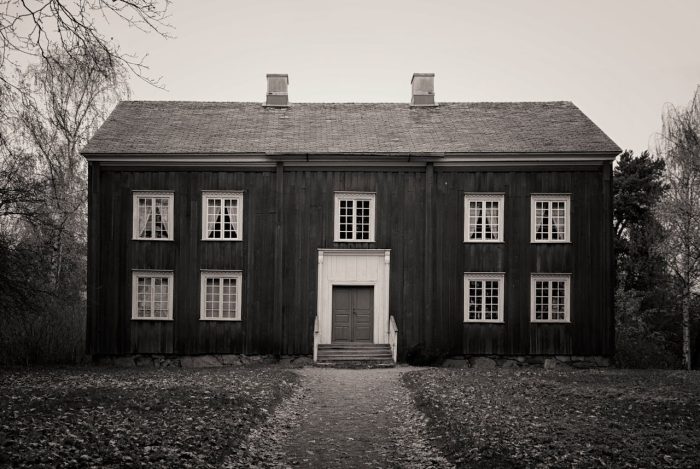
The last thing I did before leaving my childhood home was wander through it alone.
My dad has lived there for 62 years. We were moving him and my stepmother into a creek-side apartment, bright, manageable, safe, and spent the day before hanging their favorite things on fresh walls. It was good work. Healing work.
But before I left to catch a plane with my sister, I walked through each room.
Not to check anything. Not to collect anything. Just to let the house say goodbye.
The kitchen first. Ten-year-old me licking batter from a spoon. My sister making peanut butter fudge. The big round table where we said grace each night and had to finish whatever was on our plate (and would sometimes feed to our dog under the table). Doing the dishes with my siblings after dinner. That table sat family, friends, and held so many stories. It was our gathering spot. Neighbors would come by without notice for tea; friends would gather for stories and nosh.
Then the living room, where we would play board games on the floor, where the magic of Christmas mornings happened with a fullness I can still feel in my chest.
The basement. Watching my dad work on his drawings in his office. And the TV room where we would watch reruns of “Gilligan’s Island” after school. The ping pong table and the particular echo of a hollow ball on wood.
The bedrooms and the different iterations of what they had been over the years. A crib, then bunk beds, then the slow negotiation of space as we grew. Eventually, I got a room of my own, which I decorated light blue and white. The painted desk chair is still there. Still that same blue.
It was in those rooms that my older sister and I kept our ritual. We would tickle feet or take turns tracing letters on each other’s backs, spelling out words with a finger, the other one guessing. It sounds small. It was everything. That particular safety of being known by someone in the quiet.
The coat closet that housed five kids’ coats. Where we would bundle up before heading out to go ice skating at the pond or sledding across the way.
The bathroom, where the tile was exactly the same as it had always been. The same tile that witnessed the three of us older kids piled into the tub together, and later my two younger sisters. The ordinary chaos of childhood bath time. Someone scrubbing, someone splashing, someone objecting.
The bathroom mirror where four girls jostled for space, all hairspray and hope, until someone yelled out “Bus is here!” and we ran. Not sure where my brother was those mornings.
And woven through all of it, quiet and present, were remnants of my mother. Ceramics she had painted. Lamps she had chosen. Her hands still in the rooms long after she had gone. The house held her too.
My parents’ bedroom was upstairs, where one ordinary morning they called us in and told us the family was changing shape forever. Not long after, it became my father and stepmother’s bedroom. My dad remarried on the back porch—I remember the sweetness of that day, the hope of it. But I was off at college. It was my younger sisters and stepsister who lived the daily work of becoming a blended family, and who created completely different narratives between those walls.
And now, all these years later, I was standing in those same rooms alone. The rooms no longer matched the memories. Repairs left undone. Plumbing that had long since given up. A heaviness to the air that was hard to witness—hard to hold alongside all the light I knew had once lived here.
That’s the thing about a house that holds 62 years. It holds all of it.
The One Who Stayed
I should tell you about my brother. He is the oldest, the one who stayed close. The one who has carried the weight of proximity—the calls, the visits, the slow witnessing of what the house was becoming. He and my dad have often butted heads, the way fathers and firstborn sons sometimes do.
At some point during that day, the two of them got into it, but ended up on the couch together. My brother cried hard. My dad reached over and held his hand.
And eventually made a joke.
That’s the whole story, really. Sixty-two years in a house, a lifetime of love expressed sideways, and it comes down to that: a hand reached across the cushions, and then laughter through tears because some people can’t let tenderness stand alone without giving it a little cover.
The Weight That Accumulates
My stepmother has always been someone who holds on to things. She had filled the rooms. And then when her father died, his things came too. And when her mother died, hers followed. Grief has a way of taking up physical space when we don’t have room to process it. Those boxes weren’t just clutter. They were love with nowhere to go.
We weren’t sure she could do it. Years of accumulated stuff and loss, boxed and stacked—it felt immovable. But my stepsister, with the patience of a saint, sat with her through it. Box by box. Object by object. What stays, what goes, what gets honored and released.
They did it. All of it.
My stepsister and stepmother had drifted apart over the years. But there they were—working slowly through the physical residue of grief, making room for what comes next. Box by box. A relationship finding its way back. It was its own kind of ritual. Its own kind of healing.
How does a room hold all of that? The child you were and the aging it has witnessed since? This is the work nobody tells you about with aging parents. Not the logistics. But the internal labor of holding what was and what is at the same time, without letting one erase the other.
What Else The Rooms Held
There is something else the house held. I have to name it.
One of those rooms—my parents’ first bedroom, before the addition—held something I have only recently been able to return to. When I was young, we had a babysitter. She invited older boys over. I carried what happened to me in that room for decades, without ever having a name for it.
Before I left the house, I walked into that room.
I stood there and I screamed at the boy in my mind with the shiny dark hair. I cursed at him. I swung at his face as hard as I could. He wasn’t there, of course. But something in me finally was, and it needed to do that. It felt necessary in the way that only true things feel necessary.
And then I let myself remember the other version of that room. Crawling into my parents’ bed when I was small. The particular safety of that. And later, when the room became my little sisters’, the lime green bedspreads—the two of them tucked in, best friends then, best friends still.
The room held all of it. It had to.
Curating What Matters
The apartment was waiting for them, bright and clean, the creek visible from the window.
We spent one day hanging some of their life on the walls. Images from my dad’s years in local politics—capable and engaged. His design work. Family collages. Photos that held all of us at our best. A few pieces from his parents, which made the new walls feel like they had roots.
After 40 years of marriage, my stepmother was finally decorating their nest. She was sometimes giddy with excitement, pointing to where things should go, making it hers. It was fun to witness. She is good to my dad. She watches out for him. That matters more than I can say.
When we stepped back and looked at it, something loosened in me.
This was their rich life, visible and honored. The faces, the work, the legacy. But even as I felt the relief of it, I knew: this was a version. Lovingly chosen. The broken plumbing didn’t make the walls. The accumulated weight of years didn’t either. It was edited.
And isn’t this what we all do? For ourselves and the people we love? We hold the whole story—and then choose what to hang.
That’s the zoom out. Not a denial, but a wider frame. Both things true at once: the house had been hard to witness, and the life lived inside it was worth honoring. The memories were intact. The love was intact.
We helped curate their walls. Now I am practicing widening my own frame—making room for all of it.
The Zoom Out
The images from those rooms are still surfacing. The broken plumbing. The heaviness. The boxes. I don’t try to push them away. Instead I am trying to practice widening the frame and letting the hard images exist alongside the grace over the dinner table, the ping pong echo, the back-scratch ritual, the running for the bus, and their wedding on the back porch.
The house I said goodbye to held all of it—the decay and the beauty, the rupture and the tenderness. Nothing edited out. That’s what I’m learning to hold inside myself too.
Not curate. Widen. Hold the whole house.
~


Read 0 comments and reply