 Share on bsky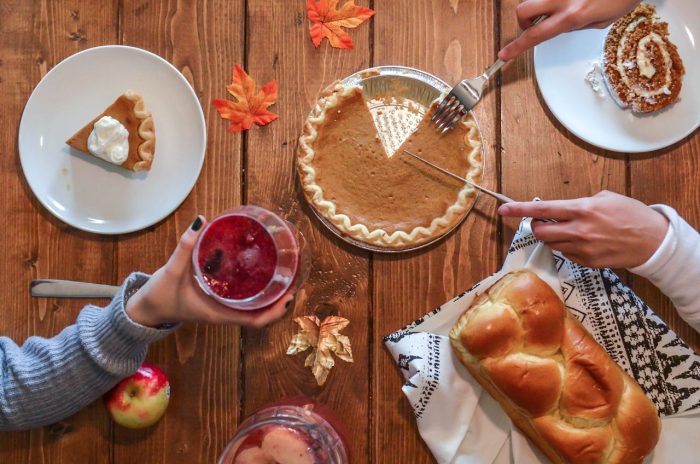
When life knocked me down, gratitude felt like a cruel joke. Then I discovered something that actually helped.
This Thanksgiving, millions of us will dutifully share what we’re grateful for. Teachers will assign gratitude journals. Families will circle the table with scripted “I’m grateful for” responses. Companies will open meetings with mandatory gratitude rounds.
We’ve been told gratitude is the key to happiness. But what happens when gratitude feels impossible?
I found out the year my loved one was hit with multiple life-threatening diagnoses. Suddenly, everyone’s well-meaning advice to “practice gratitude” felt like being asked to smile while drowning. Be grateful? For what, exactly? That we caught it early? That it could be worse? Those platitudes rang hollow when I was terrified of losing someone I loved.
That’s when I discovered something better: appreciation.
When Gratitude Fails
Gratitude often asks us to acknowledge that we’re the recipients of some unearned benefits. That works well when life is stable. But in times of loss or struggle, forced gratitude can feel hollow, even harmful.
When I was watching my loved one’s fear and suffering, or sitting in hospital waiting rooms waiting for test results, I couldn’t manufacture gratitude. I didn’t feel grateful for the situation. I didn’t feel blessed. I felt scared and helpless.
But I could still appreciate the nurse who remembered my loved one’s name. I could appreciate the late-afternoon sunlight streaming through the hospital window. I could appreciate the calls from loved ones, or the friend who showed up with coffee without being asked.
Appreciation doesn’t deny suffering. It simply notices what still matters, even in the midst of it.
The Quiet Power of Appreciation
Psychologist Nancy Fagley, who has studied it for decades, defines appreciation as recognizing the value and meaning of something and feeling a positive connection to it. No giver required. No obligation implied. Just an invitation to notice what is already here.
This subtle shift changed everything for me. I didn’t have to pretend everything was okay. I didn’t have to find the silver lining. I just had to notice what was still present, still meaningful, still worth holding onto.
A grandmother living with arthritis may not want to declare she’s grateful for her health, but she can still appreciate the sound of her grandchildren’s laughter around the table. A widow may not feel grateful in the wake of her husband’s death, but she can appreciate the comfort of cooking his favorite recipe.
Appreciation makes space for the full complexity of being human. It doesn’t ask us to bypass our pain. It simply invites us to notice what remains alongside it.
Why Appreciation Works
Our brains are wired for negativity bias. We scan for what’s wrong, missing, or dangerous. It’s a survival mechanism that once kept us alive—but now often keeps us miserable.
Appreciation interrupts that loop. It’s like holding a flashlight in the dark: wherever you shine it is what you see. If you point it only at what’s broken, life looks bleak. But if you widen the beam—if you let yourself see all of it, the good, the bad, the ordinary—you can start to notice what’s still steady and nourishing. Appreciation doesn’t deny pain; it just asks, What else is here? What can I focus on now?
The research backs this up. Fagley identifies eight aspects of appreciation, from awe to present-moment awareness to finding meaning after loss. Gratitude is just one slice of this richer practice. More importantly, appreciation shows stronger and more consistent links to well-being. In one study, even after controlling for personality and gratitude, appreciation alone predicted higher life satisfaction. The “have focus”—concentrating on what we already possess—proved especially powerful.
During those hardest months, I started keeping what I called an appreciation list instead of a gratitude journal. The entries were small, specific, and honest—just three things I appreciated:
1. Watching my loved one sleep peacefully.
2. Savoring little moments together—a glance, a touch, even an inappropriate passing of gas that made me laugh.
3. The way holding hands carried a new depth of connection and love.
These weren’t things I felt grateful for—they were things I noticed, valued, and held onto like lifelines.
A Better Holiday Question
Authentic gratitude has its place. When it arises naturally, it can open hearts and deepen relationships. But we’ve turned it into a performance—a mandatory feeling that ignores the reality of human struggle.
For people facing loss, illness, depression, or systemic injustice, demanding gratitude can sound like telling someone to smile while drowning. Appreciation, by contrast, makes space for the full human experience. It doesn’t require silver linings. It simply asks: What still matters to you? What can you value right now?
This Thanksgiving, when the turkey or tofurkey is carved and someone inevitably launches the gratitude ritual, consider offering a gentler alternative. Instead of “What are you grateful for?” try: “What do you appreciate right now?”
The answers tend to be more grounded, more honest, more human. Someone might appreciate the smell of pie baking in the kitchen, or the dog curled up under the table. Another might appreciate the friend who makes them laugh, or the well-worn sweater that always feels like home.
My loved one is doing well for now. Some days I do feel grateful—deeply, tearfully grateful. Especially for modern medicine! But I learned something crucial during those dark months: appreciation was available even when gratitude wasn’t. It didn’t demand that I feel blessed by our circumstances. It only asked that I notice what still held meaning, beauty, or value.
The Freedom to Simply Notice
This Thanksgiving, maybe give yourself and your loved ones permission to skip the gratitude performance. Instead, practice noticing what you appreciate—not because you should, but because you can.
The shift is subtle but profound. Appreciation doesn’t demand that you feel blessed by your circumstances. It only asks that you notice what still holds meaning, beauty, or value in your life.
If appreciation can anchor us through the hardest seasons of our lives, imagine what it might do during the ordinary ones.
This year, let appreciation be yours.
~

Robin Engelman | Contribution: 1,950
Robin Engelman is a psychologist, writer, and creator of the Happier Hour Method—a simple, science-backed approach to emotional resilience built on tiny daily rituals. She�… Read full bio

Read 4 comments and reply