0
 Share on bsky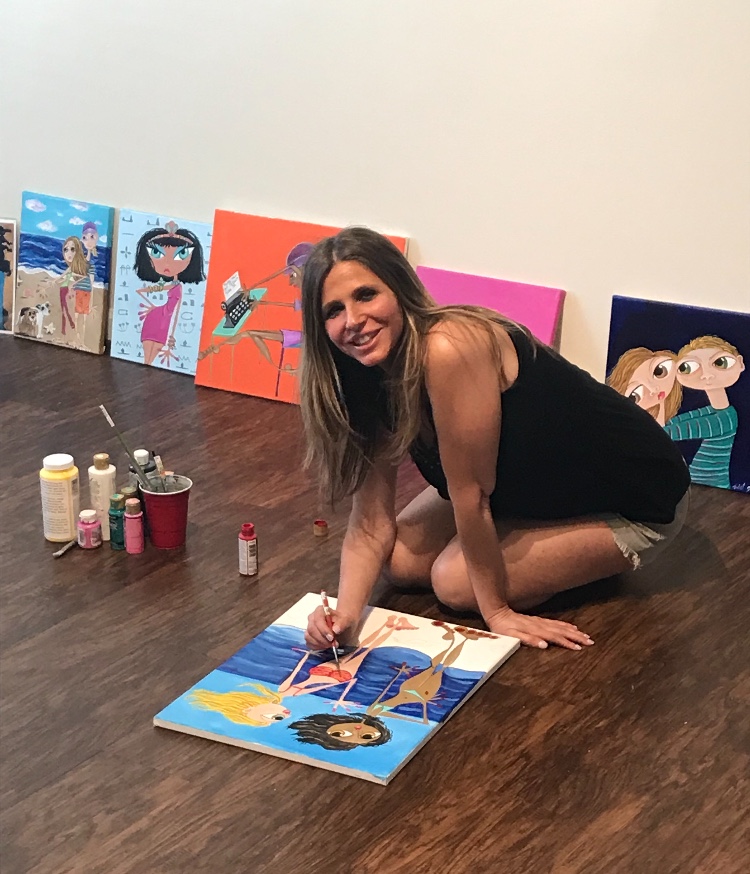
I didn’t set out to paint myself, at least not in the beginning.
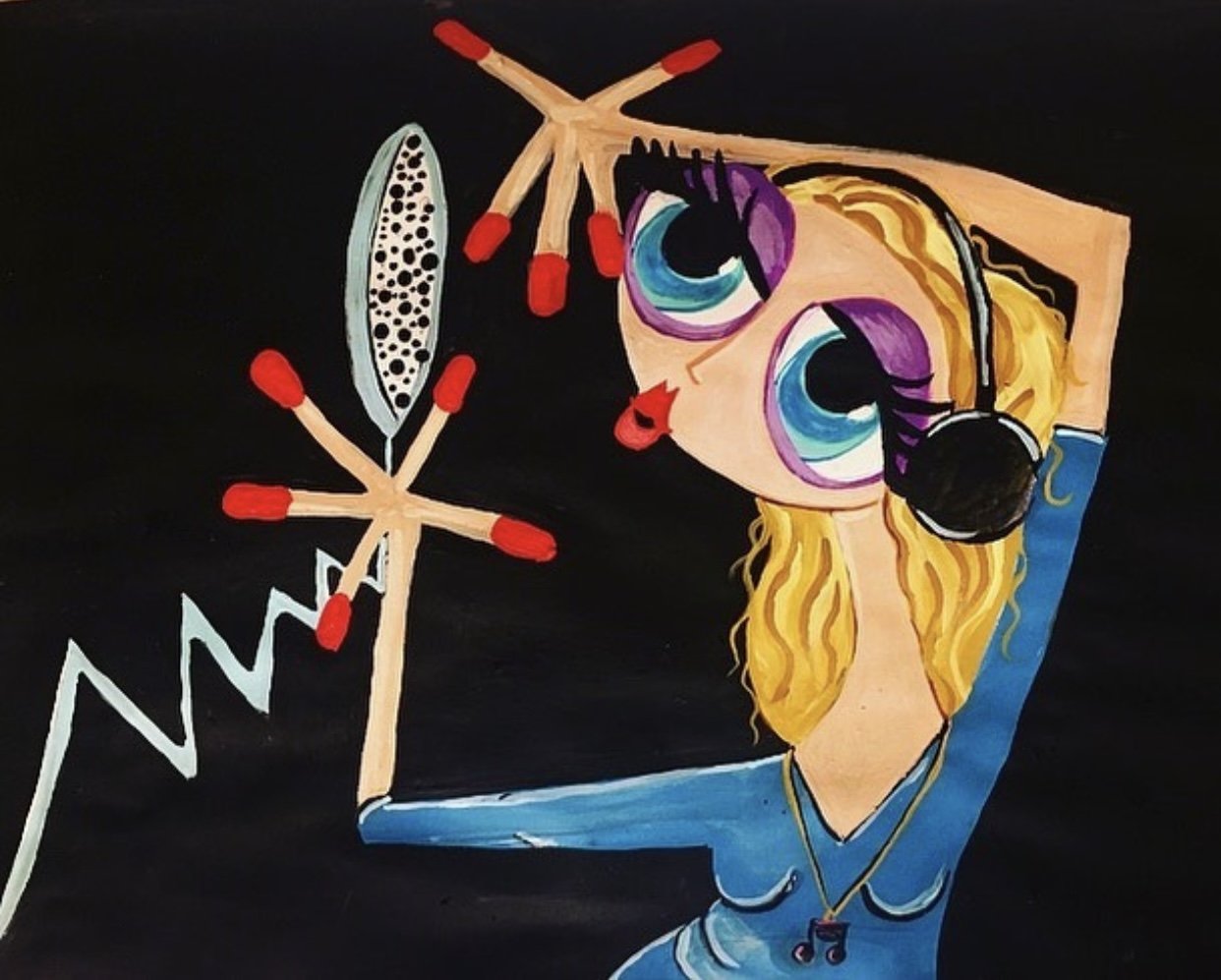
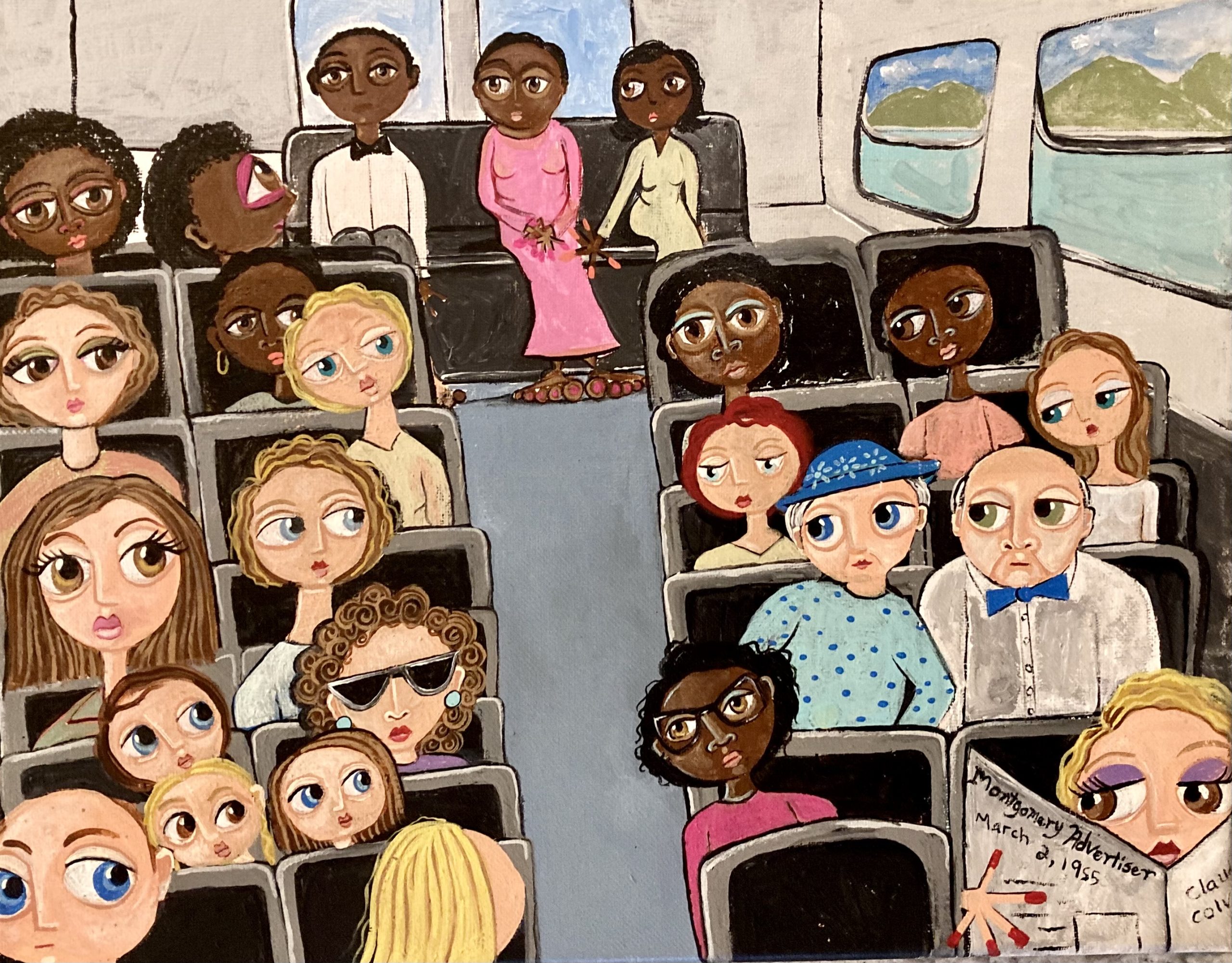
I painted women. Women with wide, watchful eyes and uncertain smiles. Women with crowns or frogs or scars. Women who looked like they were trying to be polite when they really wanted to scream.
And over time, I realized I wasn’t just painting women. I was painting me. All the versions of me who had gone silent, stayed small, played nice. The ones who had learned not to ask for too much.
My art became the voice I hadn’t always had permission to use.
When I was young, I learned to be easy to be around. Helpful. Polite. Not too dramatic. Not too loud. I learned, as many girls do, how to notice everyone else’s needs before my own and how to shrink a little when mine felt too big.
That quiet training doesn’t always come in the form of harshness. Sometimes it’s in what’s not said. What goes unseen. What’s dismissed with a smile or a sigh or a change of subject. Over time, that kind of erasure becomes muscle memory. You don’t even realize you’re doing it.
But when I picked up a paintbrush, my hand didn’t shrink.
I started painting women because I was drawn to them. Not just their faces but their expressions. The micro-emotions. The deep knowing in their eyes. Sometimes they look playful, sometimes exhausted. Sometimes there’s an ache. Sometimes defiance. Sometimes they hold frogs.
One of my most personal series is my Iconic Women collection, paintings of strong, influential women like Ruth Bader Ginsburg. That portrait was featured in The Washington Post shortly after her passing. But I also paint women who are less known. Made-up girls. Girls in bathtubs. Girls in love with the wrong prince. Girls holding too much. All of them carrying something quietly powerful.
Some of them are broken open. Some are still trying to hold it all together. And they are all, in some way, me.
Painting became a way of speaking without needing to explain. A form of processing things I couldn’t quite name at the time, moments when I felt invisible, unprioritized, or emotionally starved in relationships. Times when I was expected to show up fully for someone else while asking for less and less for myself.
I’ve painted through heartbreak, through the shame of staying too long in places that didn’t honor me, and through the deep ache of feeling emotionally unsafe. Sometimes it felt like my art was more honest than I was allowed to be in real life. The canvas never looked away. It didn’t interrupt or dismiss. It didn’t need me to tone it down.
It held what I couldn’t say. And in return, it gave me a language.
Over time, I started to see a shift. The women I painted felt different. Still soft, still complicated, but stronger. There was more agency in their eyes. More truth. They didn’t seem like they were waiting for permission to feel what they felt.
Painting has been a slow act of self-return. It’s given me the space to process, reflect, and rewrite the internal scripts I didn’t even know were running. Each portrait is a reminder that there’s power in vulnerability. That we don’t have to be loud to be whole. That we can be tender and true at the same time.
If you’ve ever been made to feel like too much or not enough, this is for you. If you’ve ever swallowed your feelings just to keep the peace, or dimmed your light to make someone else more comfortable, this is for you, too.
You don’t have to be loud to be heard. You don’t have to be fearless to speak.
There are stories inside you that deserve to be seen even if they come out in brushstrokes instead of words.
The women I paint are me. And maybe, they’re you too.
~

author: Juliet Gilden
Image: Author's Own
Editor: Lisa Erickson

This account does not have permission to comment on Elephant Journal.
Contact support with questions.