0
 Share on bsky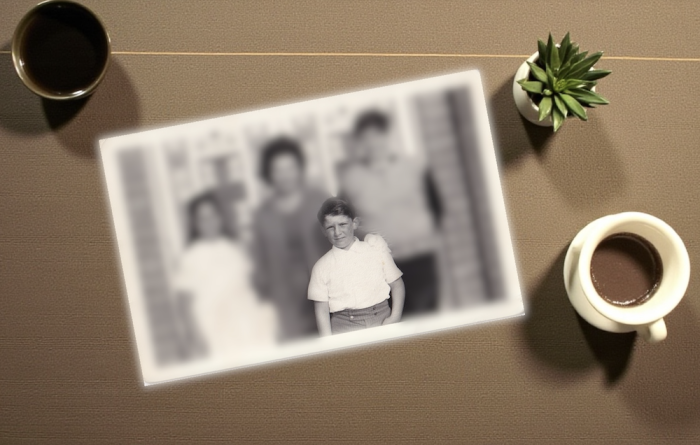
A video popped up in my memories the other day.
It was Mum’s voice in the background, laughing with my uncle as he was getting an IV inserted at the hospital. He looked rough, but joking—always joking.
He looked better; well, better than he had in the days since he was admitted. So I told him and Mum that I’d visit Monday.
He was placed into a medically induced coma on Sunday.
He never woke up.
That’s the last video I have of him. The last conversation we had. Him cracking a joke and reassuring us that, “Your uncle isn’t a sook.”
And 10 years ago, the little five-year-old girl who lost her dad in that hospital came home with Mum and me.
I remember that day, that week, so uniquely. Kind of like a photo taken too quickly; it’s a bit blurred in places, but you can still see it. You understand its significance.
The endless phone calls, Mum crying, family gathering around, the quiet conversations, the what-ifs.
That feeling that everything was changing—ready or not.
There wasn’t time to fall apart. There were plans to be made, family to be called. Clothes to be packed. A small girl’s heart to break.
I thought I understood grief.
I’d lost a friend. I’d lost my grandpa. Those deaths shook me and left a decent amount of scar tissue, so I thought I knew how grieving worked.
You cry, you joke, you cater to everyone who is hurting, and you keep moving. You randomly break down crying in random places weeks or months later, but then you keep going.
Apparently, I didn’t know what the heck I was talking about.
Who knew?
When in doubt, I get things done. I’m on autopilot—capable, calm, hilarious, but deeply, deeply repressed. So, I dealt with the logistics. Mum breaking down. My sister flying back from another country. Settling a kid. Planning a funeral. Rehoming a dog. Closing up his house.
Life things. Death things.
I was handling everything—caring, funny, supportive. I was helping. Right?
But a few weeks after my uncle died, his small child asked me why I didn’t cry.
“Don’t you even miss him, Tanya?”
I still remember her little face, head tilted and serious. It shook me a bit. So I told her I did. Of course I missed him. I told her that people grieve in different ways, that not everyone will cry constantly (like Mum).
What I didn’t tell her was that I thought being strong was expected of me.
That if I held it together, maybe everything else would stay together too.
It took me years to understand that silence doesn’t equal strength. That crying doesn’t mean you’ve failed. That showing sadness isn’t the same as falling apart.
I needed to grieve differently this time—not hidden, not controlled, not something you deal with and leave behind. I needed her to understand that missing someone is okay.
Ten years have passed, and somehow, we’ve built a life. A family. Messy, loud, full of laughter, sarcasm, and eye-rolling.
She’s 15 now, grown, opinionated, and frighteningly good at arguing.
She’s talking about applying for jobs, what she wants to do with her life, what she definitely doesn’t want to do with her life.
She’s empathetic, caring, curious, smart—and a sassy little jerk sometimes too.
She still asks about her dad. And her mum.
She has questions that I don’t always have the answers to, but we work through them together.
It hasn’t been all sunshine and rainbows, but I never thought it would be. She’s already carried more heartache than most adults I know.
And I went from being Tanya to Mum. I stopped mourning the life I thought I was going to have and embraced the life I now have.
Since then, we’ve lost others too: his mum (our Nan), close family friends, dogs, and godparents.
Grief still stops in for a visit. Not long term, but long enough to remind us who’s missing.
But I understand now that there isn’t a formula for grief.
So I rewatched that video again. Just once. He was still joking. Reassuring. Still unaware that this was the last time we’d see him alive.
I used to think grief was a process you followed when someone dies. You follow the bouncing ball, you feel it, and then you move on.
Now I think it’s what you carry when you keep going. How you keep them alive.
He’s gone. She’s here.
And between the two of them, they’ve changed everything I thought I knew about myself.
~

author: Tanya Train
Image: Author's own
Editor: Nicole Cameron

Read 0 comments and reply