0
 Share on bsky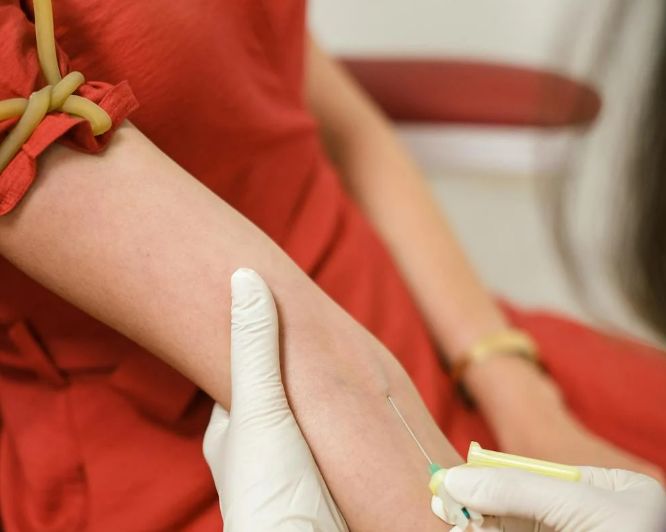
*Editor’s Note: Elephant is not your doctor or hospital. Our lawyers would say “this web site is not designed to, and should not be construed to provide medical advice, professional diagnosis, opinion, or treatment to you or any other individual, and is not intended as a substitute for medical or professional care and treatment. Always consult a health professional before trying out new home therapies or changing your diet.” But we can’t afford lawyers, and you knew all that. ~ Ed
Taking Charge of Your Health:
Empowering yourself to navigate the healthcare system and ensure your health is prioritized.
I’m sure that not too many people like to sit in that cold phlebotomy chair—the one where you’re seated, arm extended, waiting for a sharp pinch. For those of us who don’t particularly like needles, it’s not just another chair. It’s tense, unsettling. But I sit there anyway, because I know these tests matter. They translate the unspoken language of my body into data my doctor can interpret.
I’m not alone in feeling this way—uneasy—but we do it nonetheless, because we are committed to staying on top of our health.
Recently, I found myself in that chair again, after sitting for an hour in a crowded waiting room. It was routine—my six-month check-up labs. I left thinking the most challenging part was over. But the next day, when I reviewed my results, I noticed something important was missing: the Comprehensive Metabolic Panel (CMP).
I waited a few more days, thinking it was just delayed. But when I rechecked my portal, it still wasn’t there—no test, no explanation. So, I reached out to my doctor’s office. That’s when I learned the CMP sample had hemolyzed in the lab. In other words, the red blood cells in the tube had broken down, rendering the sample unusable and the results invalid—yes, invalid.
And no one had told me.
There was no call, no alert, no note in the portal. I had waited, drawn, and assumed everything was fine. If I hadn’t followed up, I never would have known the test didn’t count.
The Bigger Issue: Gaps That go Unnoticed
Lab errors happen. Hemolysis is common, often caused by how the blood is drawn or handled. But what matters most is what happens next. In my case, nothing. No communication. No plan to fix it.
And here’s the reality: doctors are busy.
They’re juggling multiple patients, and unless something urgent comes up, details like missing tests can easily slip through. Unless you are keeping track, a test—even a vital one—can be overlooked.
Why the CMP Matters
The CMP is not a “bonus” test. It’s a foundational panel that evaluates blood sugar, kidney and liver function, protein levels, and electrolyte balance. These markers give your provider a high-level view of how your body is operating behind the scenes.
Abnormal results might reveal early signs of diabetes, liver damage, kidney impairment, or metabolic imbalances—conditions that benefit from early intervention. Missing the CMP means missing the opportunity to catch something early.
When I noticed the test hadn’t been processed, I could’ve just let it go. But something in me said not to. I knew those numbers mattered—not only to my doctor, but to me. So, I called the lab and booked another appointment. It wasn’t the most convenient thing to do, but when I left that second visit, I felt a quiet sense of responsibility settle in—the kind that reminds you why it’s worth following through.
That moment reminded me of something simple yet powerful: our health doesn’t belong entirely to the system. It belongs to us. And while we rely on professionals to guide us, we still have a role—to ask, to notice, and to speak up when something feels off.
Self-advocacy isn’t about being distrustful; it’s about being informed and engaged. It’s checking your online portal regularly, reviewing your results, and asking questions—even if they seem minor. It’s understanding what’s being tested and why. Because one overlooked lab or miscommunication can delay a diagnosis or mask something important.
How to Stay in Charge
Before your appointment, ask which tests are being ordered and why.
After the draw: know when results will be available and how you’ll receive them.
When reviewing results, look not just at the numbers but also at what’s missing.
If a test is invalid or hemolyzed, don’t wait—ask for a redraw and confirm the timing.
Keep your own lab log: Even a simple list of tests and dates can help you stay on top of trends and gaps.
Being an engaged patient isn’t about being difficult; it’s about being informed and ensuring that what needs to be done gets done right. The missing important test could have easily gone unnoticed, but it didn’t—because I was paying attention. Now, I’m going back for the redraw, confident and proactive. I will check the results, confirm them, and not assume anything.
In today’s healthcare system, the person most consistently looking out for your health is you.
At the end of the day, your doctor watches the numbers. The lab runs the tests. Your body whispers what it knows. But it’s your awareness that pulls the story together. Be curious. Stay present. The attention you give yourself has a quiet way of becoming peace.
~


Read 18 comments and reply